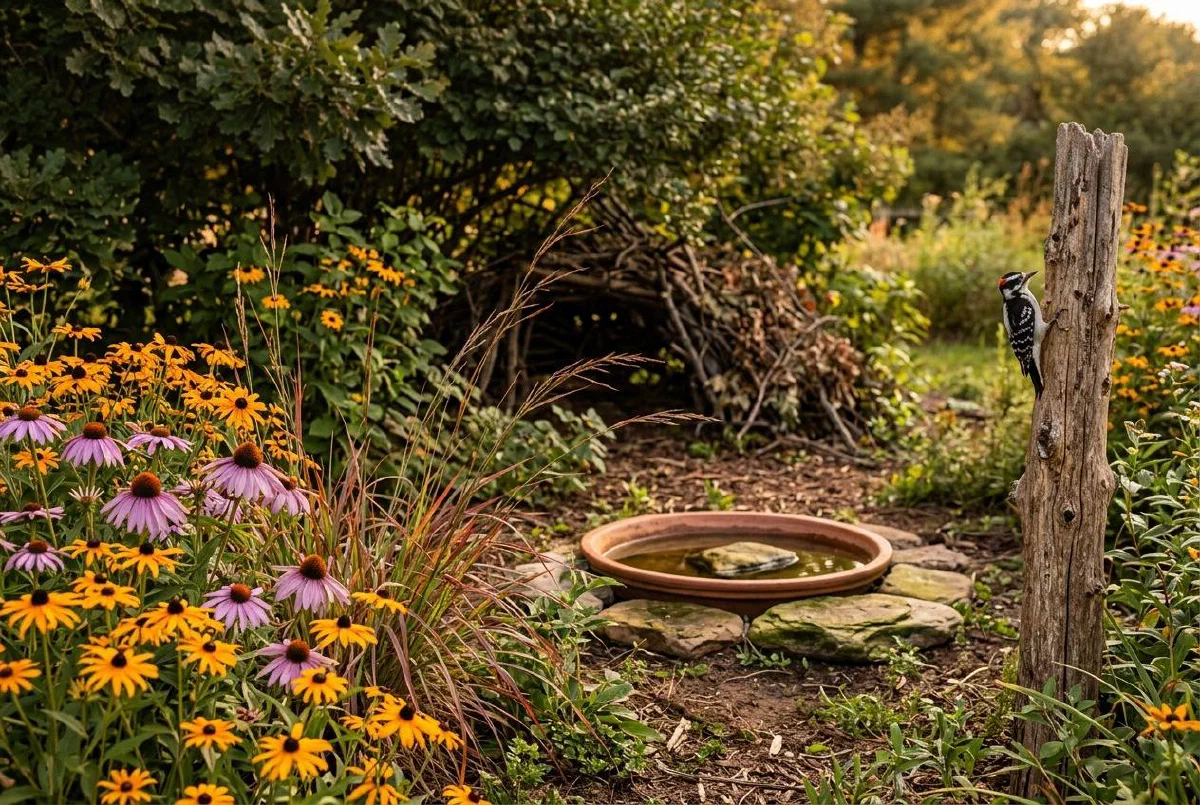
A small backyard can offer wildlife food, clean water, and shelter without becoming a large construction project. Start with the habitat you already have, then choose one missing element. A planted border and a water dish will need different care from a brush pile or standing dead tree.
Check What Your Yard Already Provides
Certification is optional, and completing one project does not automatically qualify a yard. The National Wildlife Federation checklist currently asks for at least three food sources, one water source, two cover sources, two places to raise young, and three sustainable practices. An existing shrub or leaf layer may serve more than one role. Check the current application and fee separately.
Before shopping, walk the yard and note:
- What blooms, sets seed, or carries berries in each season.
- Where animals can retreat without crossing a busy path.
- Whether you can keep a water source clean.
- Which plants are native to your region and suited to the actual soil and light.
The NWF habitat essentials guide connects those roles to native plants. Use its regional plant finder rather than assuming a winter-hardiness zone identifies a plant’s native range. Costs below are rough planning estimates, not current quotes; use the materials already on hand first.
Project 1: Native Plant Border ($45-60)
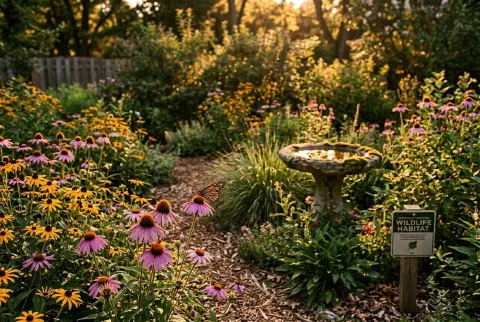
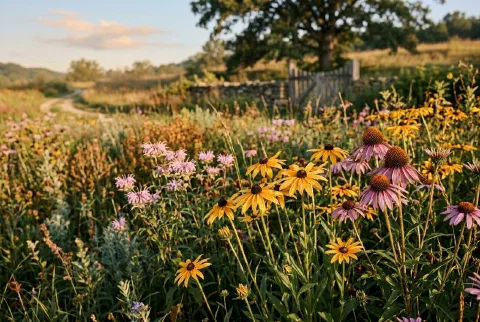
A 10-foot native plant border provides food and cover year-round. Choose species that bloom in different seasons and produce seeds or berries.
| Plant (Zones 4-8) | Quantity | Cost | Wildlife Benefit |
|---|---|---|---|
| Black-eyed Susan (Rudbeckia hirta) | 3 | $10-15 | Seeds for finches, nectar for bees |
| Purple coneflower (Echinacea purpurea) | 3 | $12-18 | Seeds for goldfinches, winter structure |
| Little bluestem grass (Schizachyrium scoparium) | 2 | $10 | Nesting material, seed heads |
| Native aster (Symphyotrichum) | 2 | $6-10 | Late-season nectar, native bee host |
| Mulch (2 cubic feet) | 1 bag | $5-10 | Retains moisture |
Total: about $50
Choose the exact species and cultivar before setting spacing; asters and grasses vary widely in mature width. Ask a local native nursery about planting time and establishment watering. Check soil moisture rather than watering on a fixed weekly schedule. Leave room for the mature clumps.
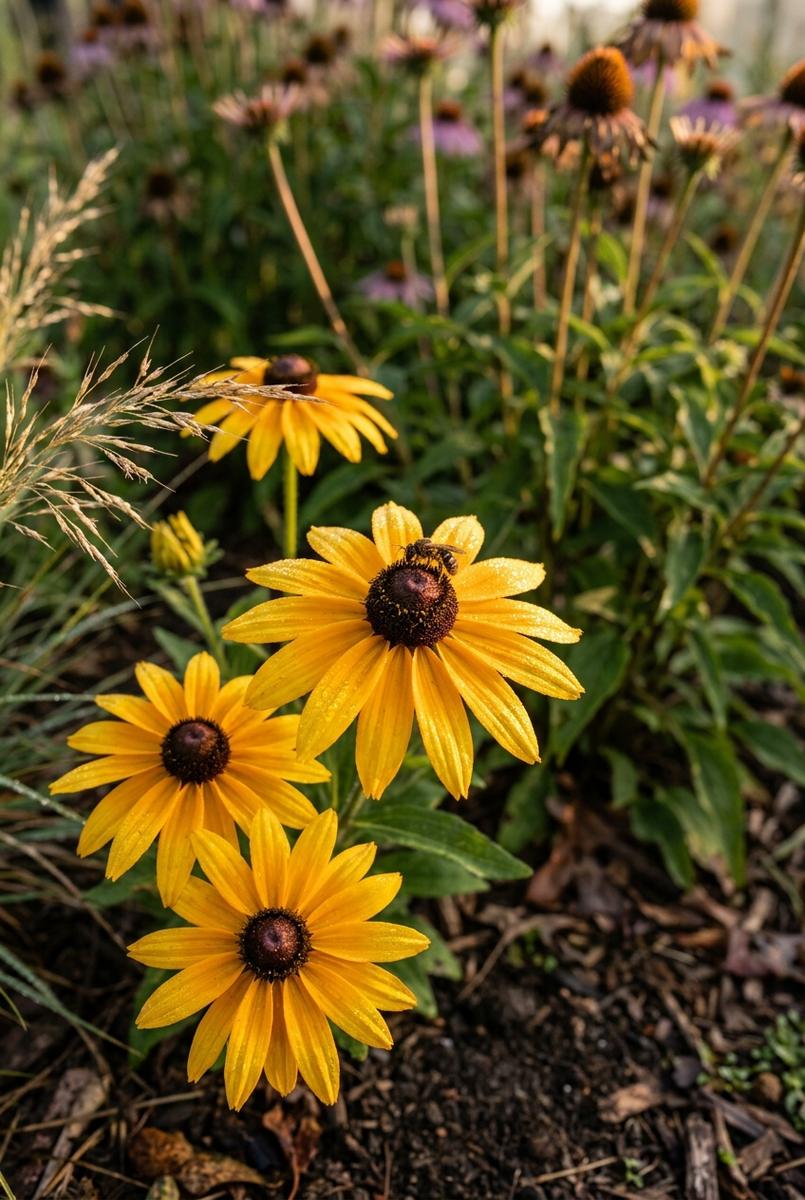
Quick Tip: Buy native plants from local nurseries or native plant sales hosted by Audubon chapters and native plant societies. Prices run $3-6 per plant compared to $8-12 at big box stores.
Project 2: Brush Pile Shelter ($0-15)
A 4-foot by 6-foot brush pile gives rabbits, toads, and ground-nesting birds shelter from predators and weather. Use pruned branches, fallen logs, and yard waste.
Materials:
- Branches 2-4 inches diameter (base layer)
- Smaller twigs and brush (top layers)
- An unlined patch of ground where the pile can gradually decompose
Stack large branches in a crisscross pattern for the base. Pile smaller branches on top, leaving gaps for animals to enter. Place in a corner of your yard away from high-traffic areas. The pile settles over time, so add more brush each fall.
Birds forage for insects in brush piles. Chipmunks and rabbits nest underneath. Garter snakes hibernate in the base layer.
Project 3: Shallow Water Basin ($20-35)
Birds need water 1-2 inches deep. A low basin is one option; a raised basin may fit better where pets or foot traffic make the ground unsafe.
| Item | Cost |
|---|---|
| Terracotta saucer (18-24 inches) | $12-18 |
| Flat rocks for perching | $0 (collect from yard) |
| Submersible fountain pump (optional) | $15-20 |
Place the saucer in partial shade near shrubs so birds can retreat if threatened. Add 3-4 flat rocks as landing spots. Change water every 2-3 days to prevent mosquito larvae. In winter, use a birdbath heater (about $25) to keep water from freezing.
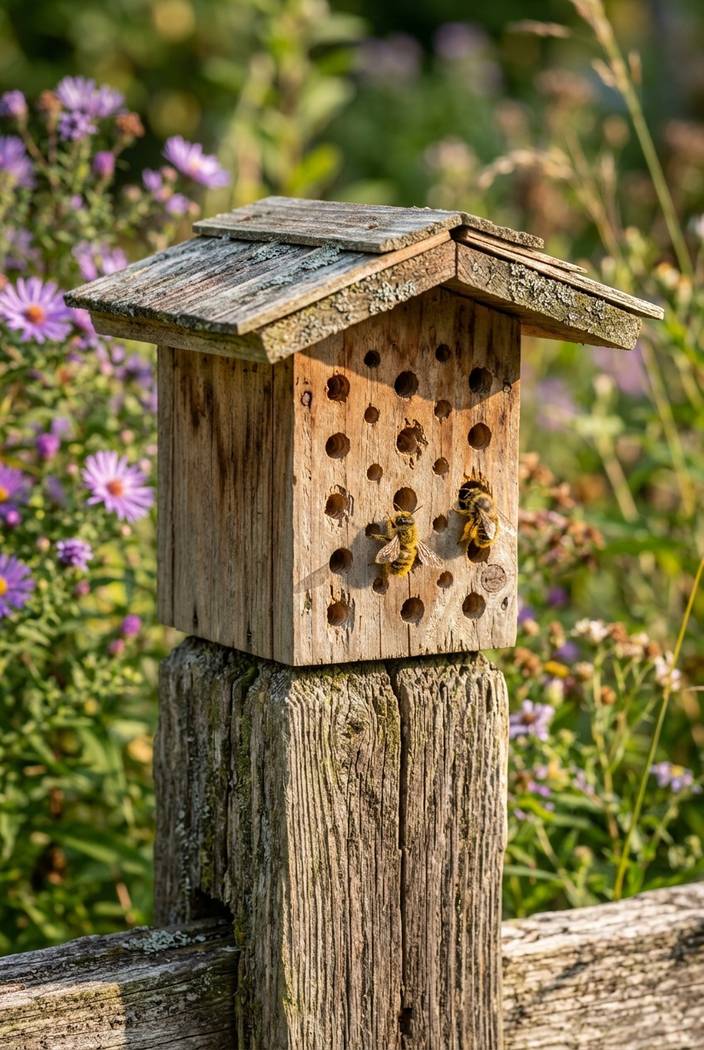
Project 4: Keep Nesting Habitat Before Buying a Bee House
Hollow stems, patches of undisturbed soil, and suitable decaying wood can offer bee nesting sites. Xerces’ nesting guidance covers natural sites as well as artificial nests. Keep some habitat out of paths and avoid clearing every stem at once.
A bee house is a maintenance commitment. Choose a design with replaceable nesting material and learn the local species’ emergence and cleaning schedule before installing it. An unmanaged block of drilled holes is not a permanent, maintenance-free substitute for habitat. Xerces’ nest-care guidance explains why old nesting material needs replacement after bees emerge.
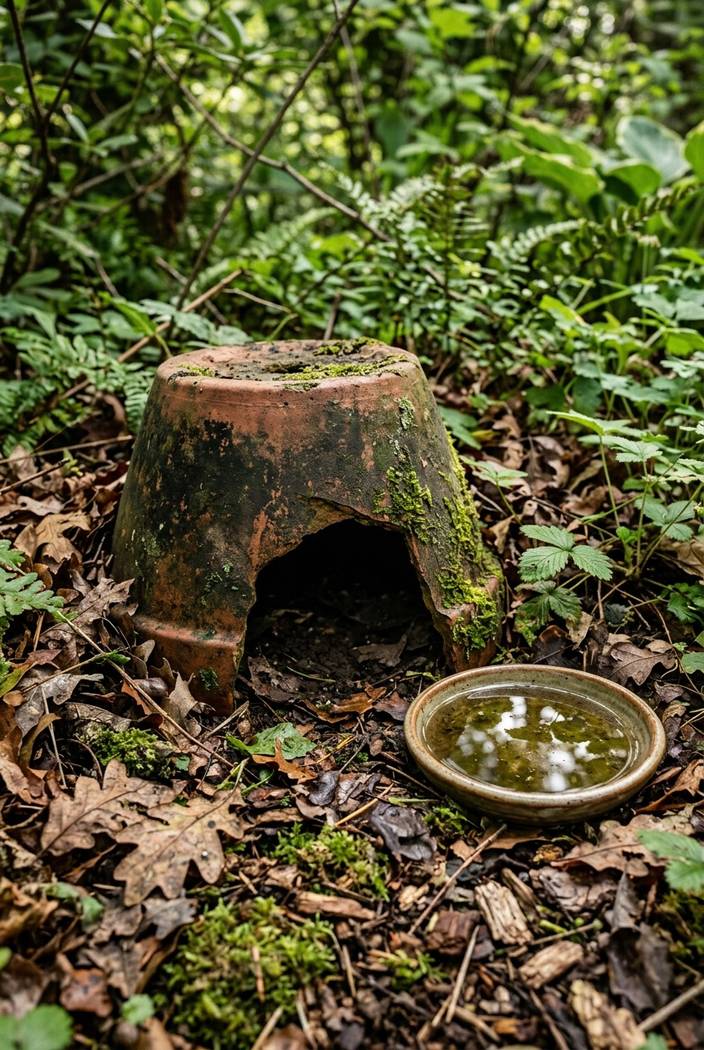
Project 5: Toad Abode ($8-15)
A shaded, damp refuge can give local toads a place to shelter. A pot cannot attract them if the surrounding yard lacks suitable habitat.
Materials:
- Terracotta pot (8-10 inches): $6-8
- Small dish for water: $2-5
- Leaf litter or mulch: free
Lay an intact pot on its side and partly settle it into the soil so it cannot roll. Keep the entrance open and free of sharp edges. Place it in shade, away from mower routes. Do not buy or relocate wild toads; let local animals find the habitat.
Project 6: Leave a Seed-Bearing Flower Patch
Leave seed heads standing through winter. Finches, sparrows, and juncos feed on them November through March.
| Plant (Zones 4-8) | Quantity | Cost | Seed Type |
|---|---|---|---|
| Sunflowers (Helianthus annuus) | 1 packet seeds | $3-5 | Large seeds for cardinals, chickadees |
| Zinnias (Zinnia elegans) | 1 packet seeds | $3-5 | Small seeds for finches |
| Cosmos (Cosmos bipinnatus) | 1 packet seeds | $3-5 | Abundant seed heads |
| Joe Pye weed (Eutrochium purpureum) | 2 plants | $10-15 | Late-season nectar, winter structure |
| Ironweed (Vernonia) | 2 plants | $10-15 | Seeds for sparrows |
Total: about $35
Sunflowers, zinnias, and cosmos are annuals, not perennial members of this patch. Follow their packet timing and your local frost dates. Choose regionally native perennials separately. Leave some seed heads and stems standing where they are safe, and plan cleanup around the habitat they hold rather than one nationwide March deadline.
Quick Tip: Finches perch directly on dried sunflower heads to extract seeds. Plant sunflowers near a window for close-up viewing.
Project 7: Leaf Litter Habitat ($0)
Raking leaves removes overwintering habitat for moths, beetles, and beneficial insects. Leave a 3-foot by 6-foot section of leaves undisturbed under shrubs or in a back corner.
Steps:
- Rake leaves into a designated area in fall
- Let them decompose naturally
- Add fresh leaves each autumn
- Do not disturb the pile until late spring
Luna moths, swallowtail butterflies, and native bees overwinter as pupae in leaf litter. Toads and salamanders burrow into damp leaves. By spring, the leaves break down into rich compost that feeds your soil.
This is the only project that costs nothing and requires no maintenance.
Project 8: Retain Safe Dead Wood
Decaying logs and standing dead trees can provide habitat, but a tree’s stability needs professional judgment. Have a qualified arborist assess any snag near buildings, paths, play spaces, or neighboring property. Do not cut a tree into a tall stump or install a freestanding post using a generic online recipe.
Where a standing snag is unsafe, a fallen log in a suitable quiet corner can preserve some dead-wood habitat without an overhead fall hazard. Keep it clear of buildings, access routes, and local fire-clearance requirements.
Keeping It Going: What to Watch For
Cats are the biggest predator risk at a backyard feeder. Project FeederWatch credits them with killing hundreds of millions of birds each year, with ground-feeding birds and fledglings at the greatest risk, and its own placement advice keeps feeders about 10 feet back from the dense cover where cats and squirrels wait. If you have outdoor cats or neighbors do, that is the buffer to copy: feeders and water sources at least 10 feet from thick shrubs where cats hide. Keep cats indoors and avoid adding invasive shrubs as predator barriers. That buffer is one of several feeder placement decisions worth making before the pole goes in.
Mosquitoes breed in standing water. Change birdbath water every 2-3 days. If you install a small pond, add a fountain or waterfall to keep water moving.
Pesticides kill the insects that birds and other wildlife need. Skip lawn treatments. Pull weeds by hand or use mulch to suppress them.
Before You Start
Wildlife habitat projects work best when clustered together. Place the water basin near the native plant border. Position the brush pile at the edge of your property. Group elements to create zones where animals feel safe moving between food, water, and cover.
Start with three projects this spring: native plants, water, and one shelter option (brush pile, toad abode, or bee house). Add more features each season as budget allows. Different elements support different needs; visitation depends on the wildlife already present nearby.
Water needs regular refilling and cleaning. Plants need establishment care, invasive seedlings need removal, and shelters need periodic checks. Native status alone does not make a plant drought-tolerant in every site.
FAQ
How long before wildlife shows up after I create a habitat?
There is no reliable arrival deadline. Nearby habitat, season, disturbance, and the species present all affect use. Watch for visitors without treating an empty shelter as proof that the project failed.
Can I create a wildlife habitat in a small urban yard?
Yes. A 10-foot by 10-foot space can include a native plant border, water basin, and mason bee house. Small spaces can contribute habitat, but the species using them will depend on local conditions. Focus on vertical space: mount bee houses on fences, grow native vines on trellises, and use containers for native plants.
Do I need to provide food in winter or will wildlife find it naturally?
Native plants provide winter food naturally through seed heads, berries, and persistent fruit. A few shrubs chosen for fall and winter berries carry a yard through the leanest months. Leave perennial stems standing until March. Add a suet feeder (about $15) for woodpeckers and a tube feeder ($20) for finches if you want to supplement natural food. Clean feeders every two weeks to prevent disease. Utah State Extension names the five diseases feeder birds pick up and puts the minimum cleaning schedule at once a month with a 1:9 bleach soak for two to three minutes, so a two-week habit leaves you margin.
What if my HOA doesn’t allow brush piles or unmowed areas?
Stack branches decoratively as a “habitat feature” rather than a messy pile. Use a formal border design for native plants with mulched edges. Frame leaf litter areas with landscape edging and call them “pollinator gardens.” Many HOAs approve wildlife habitat projects when presented as intentional landscaping rather than neglect.
Will a wildlife habitat attract rats or other pests?
Shelter can be used by several kinds of animals, including rodents. No habitat feature guarantees a pest-free yard. Rats need food sources like garbage, compost, or spilled birdseed. Keep birdseed in sealed containers, clean up spills immediately, and use baffles on feeder poles. A pole and baffle setup planned around squirrels spills far less seed in the first place. If rodents appear, remove food spills and assess the shelter placement before adding more feeders.
What to Read Next
- Backyard wildlife habitat certification in 7 steps if you want the certificate to go with the projects.
- 7 bird bath ideas songbirds actually use for the water element, which is the one most yards get wrong.
- Bird bath placement mistakes that keep songbirds from landing because a basin in the wrong spot stays empty.
- Best bird seed for winter for keeping the feeders worth visiting once the seed heads are gone.
- Rain garden ideas walks through checking the site before you plant.