
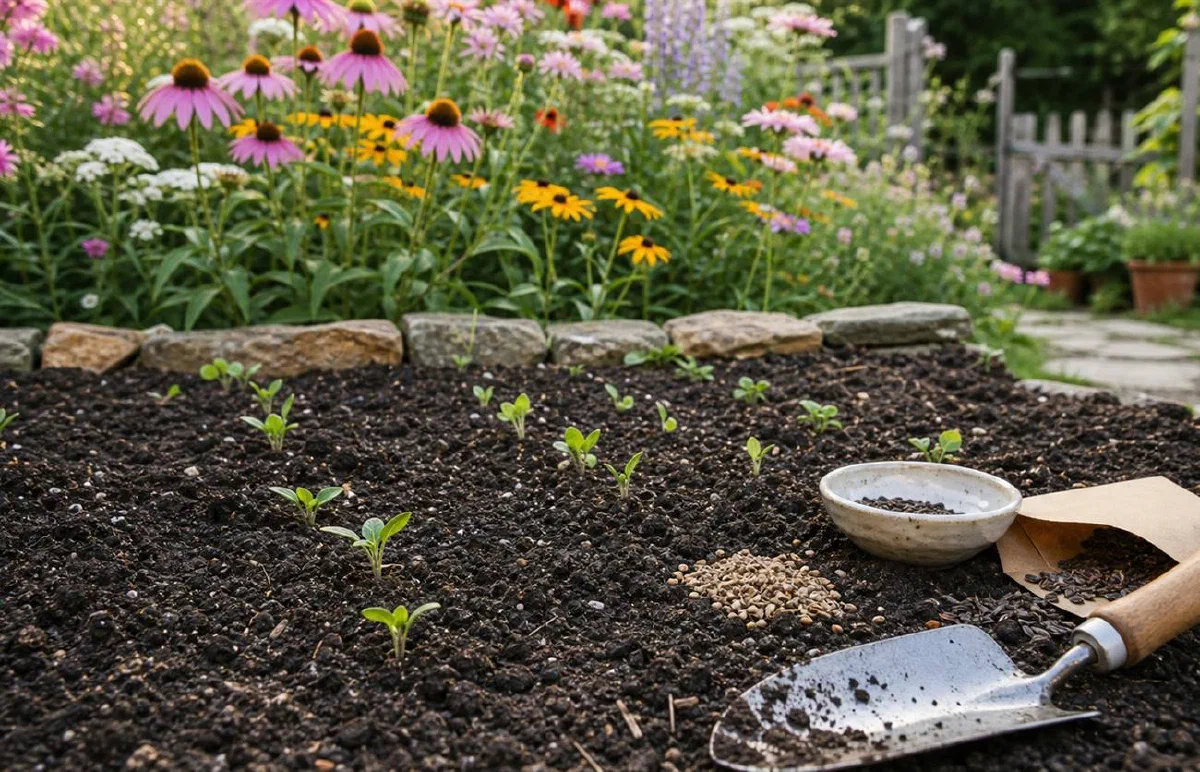
Early summer can make you feel late to the garden.
The seed-starting people have trays hardened off. The plant sale tables are half-empty. Everyone seems to have a plan except you, standing there with warm soil and a packet of seeds you forgot to start in March.
Plant them anyway.
Some flowers are perfectly happy being sown straight into warm ground. No grow lights. No cell trays. No babying seedlings on the kitchen counter. Just seeds, soil, water, and a little patience.
What Can You Still Sow in Early Summer?
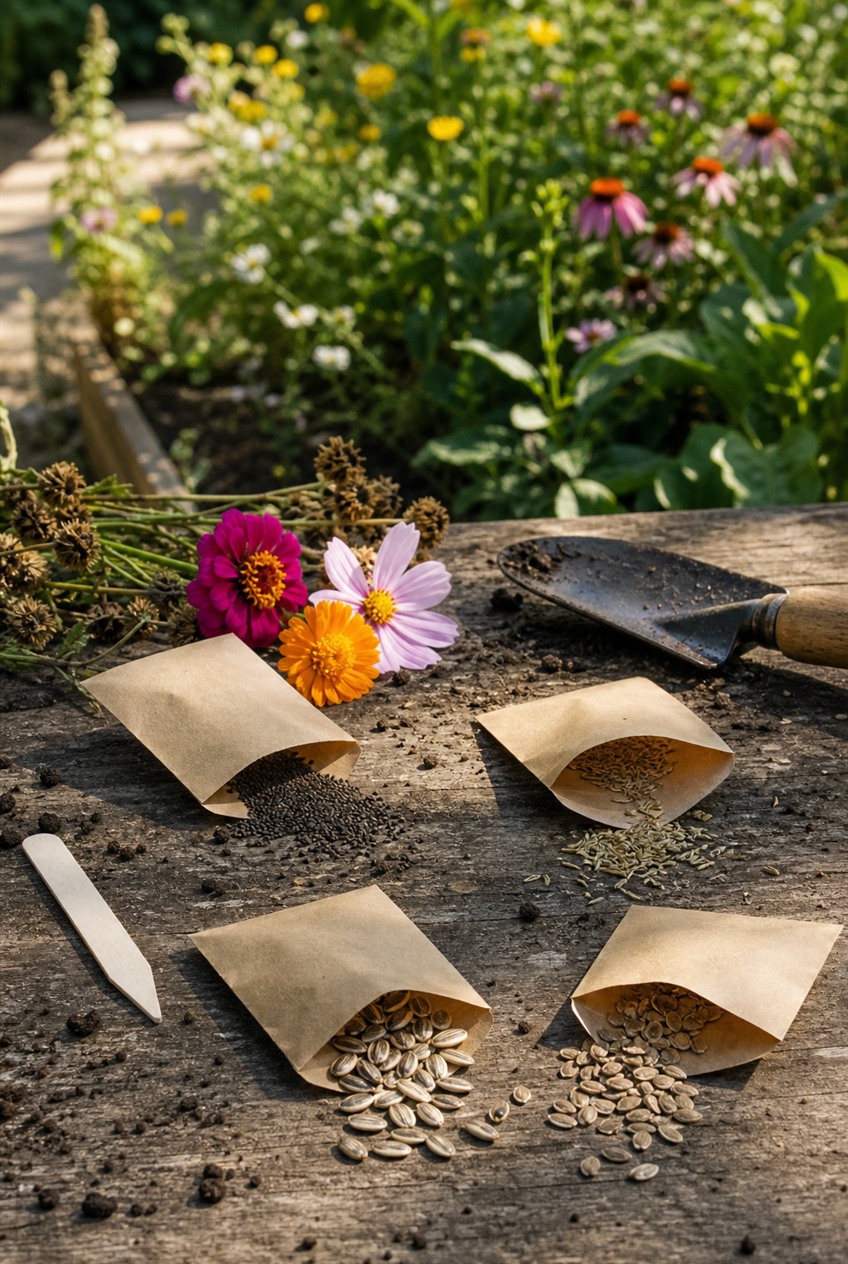
Zinnias, cosmos, calendula, nasturtiums, and sunflowers will all still make a show from a packet sown straight into warm ground. None of them need a head start indoors, and warm soil is the thing they were waiting for.
That’s the short answer. The sections below take them one at a time, with the one thing each of them actually cares about, so you can pick the two or three that suit the space you have.
Which of These Should You Sow?
Pick by what you want from the bed rather than by which packet you already own. All five will germinate in warm soil without a head start indoors, so the difference is what each one gives back and how much it asks for.
| What you want | Sow this | What it gives you | What it asks for |
|---|---|---|---|
| The fastest color with the least fuss | Zinnias | Quick germination, heat tolerance, and a hard bloom once they get going | Full sun, and soil kept damp until the seedlings are up |
| Height at the back of the bed | Cosmos | Airy stems that fill space without crowding it | Room to spread, and no feeding |
| Flowers that keep going into cool weather | Calendula | Color at both ends of the season | Very little. It may slow down through the hottest stretch and pick back up as the nights cool |
| A lean corner and a job for small hands | Nasturtiums | Large easy seeds, and flowers on lean ground | Average soil, no feeding, sun to part shade |
| Bouquets from one planting | Branching sunflowers | Several cuts instead of one giant head | Enough season left to finish, and a spot they can stay in |
If the season is short, weight the list toward zinnias and calendula. They forgive a late start better than sunflowers do.
Zinnias Are the Easy Yes
If you only direct sow one flower in early summer, make it zinnias.
They germinate quickly in warm soil, handle heat, and bloom hard once they get going. Sow them where they will get full sun. Cover lightly, water gently, and keep the soil damp until seedlings appear.
Zinnias work well along a fence, in a cutting bed, or tucked into gaps where spring flowers have finished. They are forgiving, which is exactly what an early-summer planting needs.
For saving seed later, keep the strongest colors and healthiest plants in mind. The process in saving zinnia seeds starts long before the seed heads dry.
Cosmos Fill Space Fast
Cosmos are light, airy, and almost too easy.
Scatter them over loosened soil, press them in, and cover with a dusting of soil. They do not need rich ground. In fact, too much fertility can give you tall leafy plants with fewer flowers.
Give cosmos room. They look delicate at first, then suddenly they are shoulder-high and waving around like they own the bed. That loose shape is part of their charm.
Cosmos also work beautifully in a cut flower garden because the more you cut, the more they branch.
Calendula Handles the Shoulder Seasons
Calendula is worth sowing even if summer is already moving.
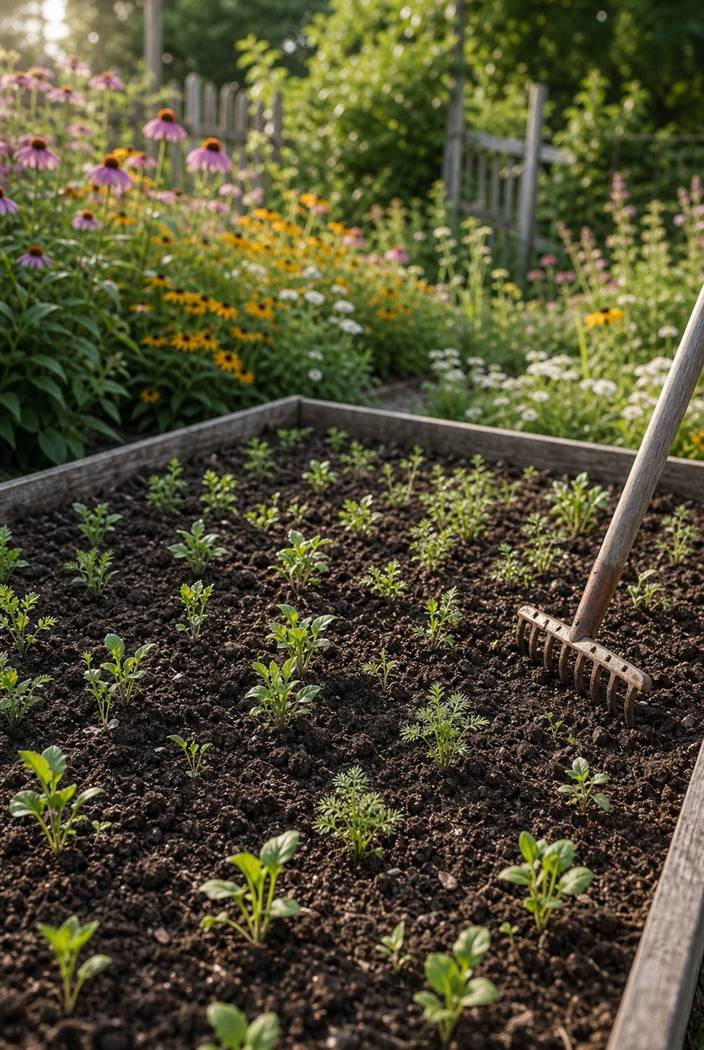
It sprouts readily, flowers in cheerful orange and yellow, and often keeps going when the weather cools again. In very hot climates, it may slow down during the hottest stretch, then pick back up as temperatures soften.
Use it near herbs, along bed edges, or in containers where you want color without fuss. The petals are edible, though the main appeal of calendula is that it looks happy when other things are sulking.
Nasturtiums Like Lean Soil
Nasturtiums are one of the few flowers that do worse when you try too hard.
Give them average soil, full sun to part shade, and do not overfeed. Rich soil makes leaves. Lean soil makes flowers. Clemson Extension files nasturtium under annuals for poor soil, which is the same advice from the other direction. The seeds are large, easy to handle, and good for planting with kids.
Trailing types spill from pots and bed edges. Bush types stay tidier. Both bring that cottage-garden looseness without needing a formal plan.
Sunflowers Still Have Time
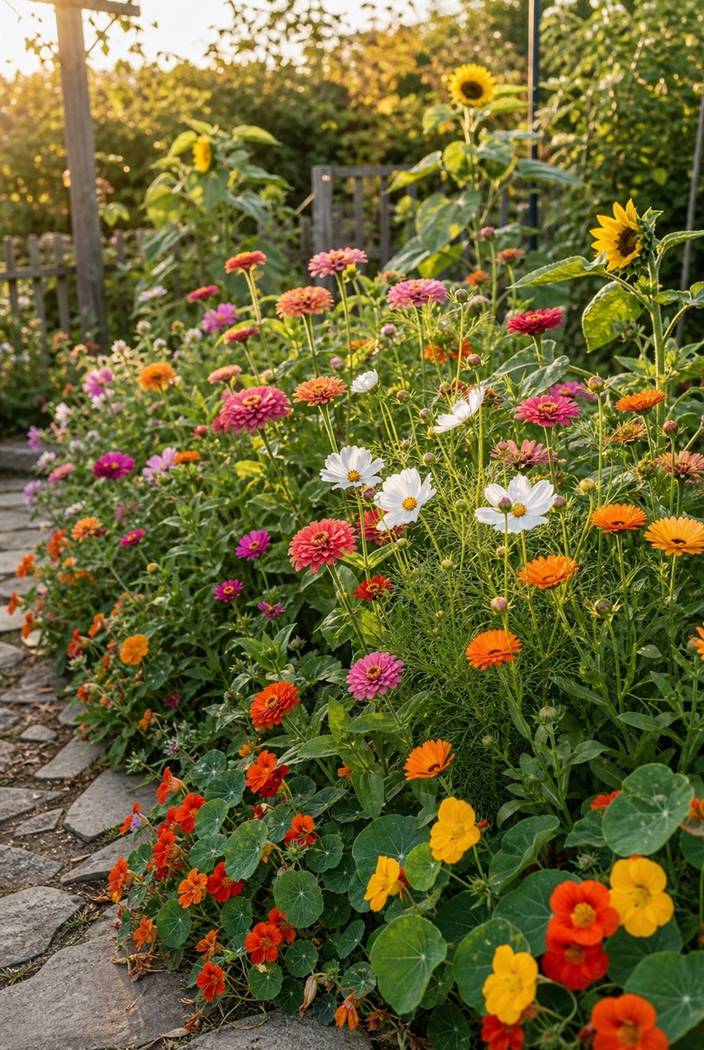
Many sunflowers can still make it if your season is long enough.
Choose branching or shorter-day varieties if you are sowing later. Plant them where they can stay, because sunflowers do not enjoy being moved. Push seeds into warm soil, water well, and protect new sprouts if birds or squirrels are active in your yard.
Branching sunflowers are better for bouquets than the giant single-stem types. They give you more cuts and a softer look in the garden.
How to Make Late Sowing Work
Water is the difference between a hopeful packet and actual flowers.
- Keep the top inch lightly damp until the seedlings are established. Warm soil dries fast, and a seed that dries out once does not get a second chance.
- Leave the mulch thin. Fine seed goes on the surface rather than under it, and medium and large seed only needs covering to about one to two times its own diameter.
- Label what you plant. You will think you will remember. You will not.
- Plant more than one small patch. A row by the fence, a gap near the patio, a pot by the steps. Early summer sowing feels less risky when the seeds are spread around.
Quick Tip: Once the seedlings are an inch or two tall, thin them to the spacing on the packet. Crowded seedlings compete for the same water and stretch for the light, and the ones you leave will flower harder for it.
You are not late. You are planting into warm soil, and some flowers prefer that.
Keeping Them Going Once They’re Up
Getting them up is the risky part. What follows is mostly about not overdoing it.
- Water deeper and less often once the seedlings are established. The light daily damping the seeds needed is the habit to taper off, so the roots go looking for water instead of waiting at the surface.
- Do not feed the cosmos or the nasturtiums. Lean ground is what makes flowers on both of them, and rich soil answers with leaves.
- Keep cutting the cosmos. The more you cut, the more they branch, and a stem left to set seed is one the plant will not replace.
- Let the calendula ride out the hot stretch. It may slow down in the middle of summer and start again as the temperatures soften.
- Mark the plants you want seed from now. The best seed comes from plants you chose early, and the routine in saving zinnia seeds starts long before the seed heads dry.
What to Read Next
- Cut Flower Seeds That Give You the Most Bloom for a Small Bed takes the same flowers and turns them into a bed that keeps producing stems.
- Save Zinnia Seeds Next Year is worth reading in the same season, because the best seed comes from plants you chose early.
- Start a Wildflower Garden from Seed in 5 Easy Steps is the looser scatter version if you would rather broadcast than plant in rows.
- Seed Starting Indoors for Beginners is where to go next spring if you want earlier blooms than direct sowing gives you.