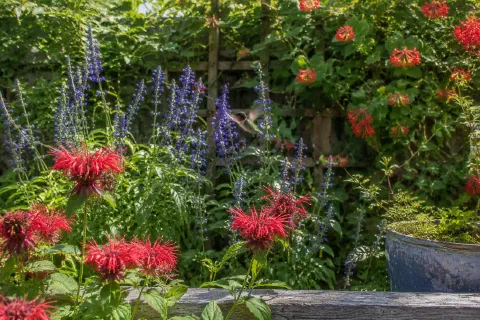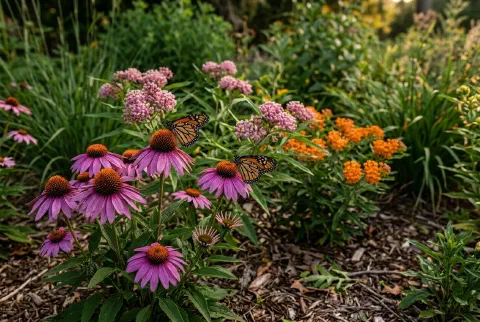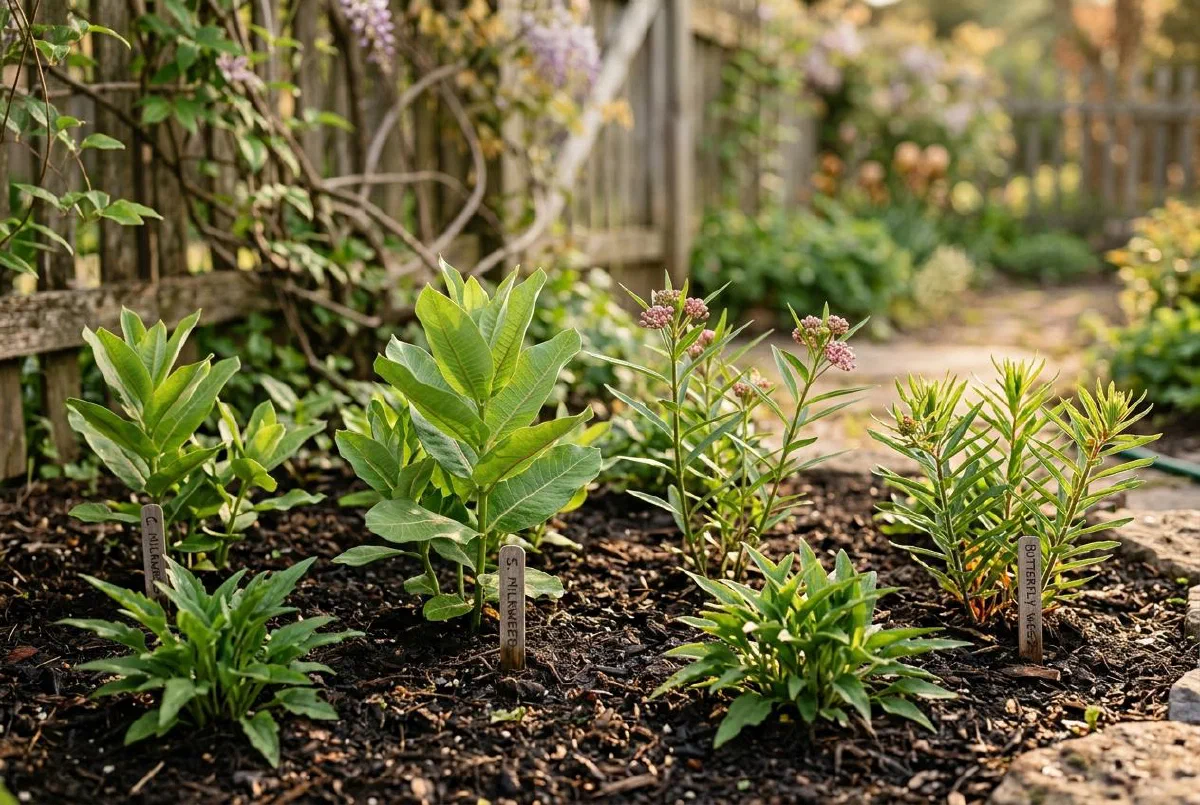
A monarch garden needs suitable milkweed for caterpillars and flowers for adult nectar feeding. Choose milkweed native to your actual region before choosing a planting date. A winter hardiness zone alone cannot tell you which species belongs at the site.
Use Xerces regional plant resources to start the selection. The three milkweeds below are useful examples for parts of eastern and central North America, not a nationwide shopping list.
Common Milkweed, Swamp Milkweed or Butterfly Weed?
| Species | Site distinction | Planning concern |
|---|---|---|
| Common milkweed (Asclepias syriaca) | Sunny, well-drained sites | Can spread and occupy substantial space |
| Swamp milkweed (Asclepias incarnata) | Moist, well-drained or occasionally wet sites | Moisture availability matters; not every flooded spot suits it |
| Butterfly weed (Asclepias tuberosa) | Good drainage; established plants tolerate dry conditions | Deep-rooted plants are difficult to move |
North Carolina Extension’s common-milkweed profile identifies monarch host value and spreading behavior. Use a location where that behavior is acceptable rather than squeezing it into a small mixed pot.
The swamp-milkweed profile identifies monarch host value and moist-site needs. The name does not establish tolerance of any depth or duration of standing water.
The butterfly-weed profile identifies monarch host value, good drainage and difficult transplanting. It also notes that seed-grown plants can take years to establish and flower; do not guarantee a first-year display.
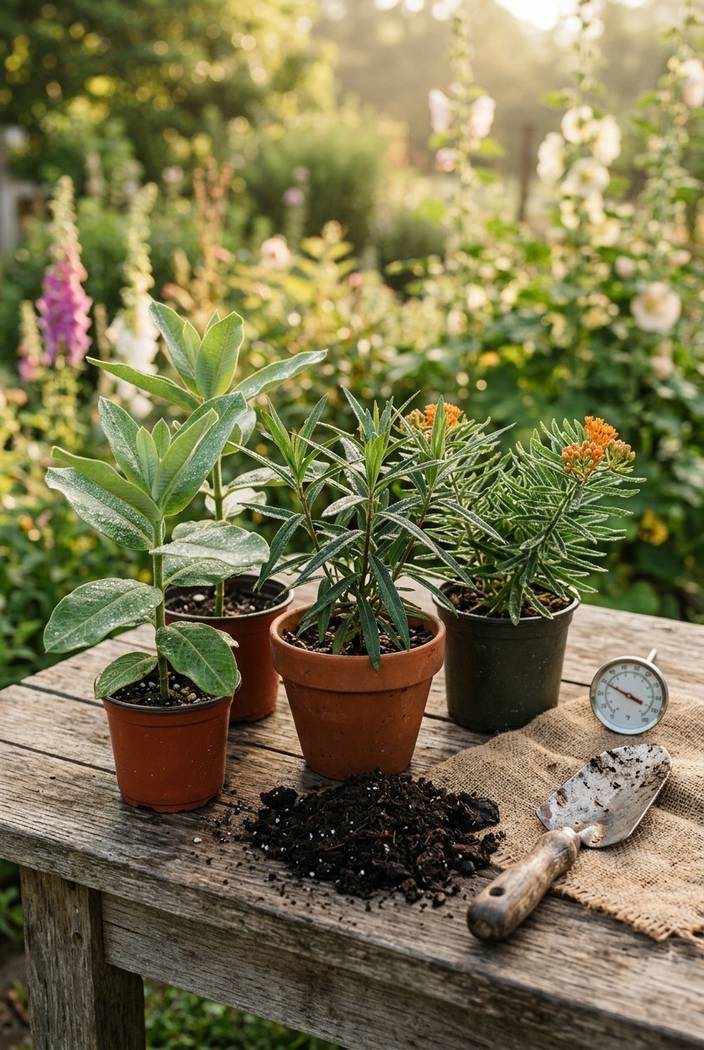
Spring Planting: Seeds and Transplants Need Different Plans
Check the species and seed supplier’s pretreatment instructions. Cold, moist treatment is appropriate for some seeds, but thirty days and late April are not universal directions. Local climate, species and the starting material matter.
Transplants avoid the indoor germination stage, but still need acclimation, suitable weather and root-zone care. A larger plant may flower sooner without guaranteeing blooms that summer. Compare delivered prices and the number of plants that actually fit, rather than relying on an old per-plant price table.
Milkweed Setup and Nectar-Plant Selection
- Check range and site. Record sun, drainage and mature planting space; confirm the regional host choice.
- Plan mature spacing. Use the chosen species or cultivar’s instructions. Three milkweed varieties and a four-by-eight-foot bed are not universal requirements.
- Choose nectar across local seasons. Select locally suitable flowers with overlapping flowering periods. Observe gaps rather than assuming one list supplies continuous bloom.
- Ask about plant treatments. Check pesticide-treatment history with the seller instead of declaring all plants from one type of store unsafe.
- Plant and water as directed. Check the root zone during establishment and adjust to rain, heat and species needs. Swamp milkweed and butterfly weed should not share a blanket drought-care rule.
- Mark and observe. Mark planting locations, record flowering and inspect leaves for eggs, caterpillars and other insects.
For nectar candidates, the Zone 7 butterfly guide offers a seasonal selection process. Use it as a candidate list, not proof that those plants are native throughout your region.
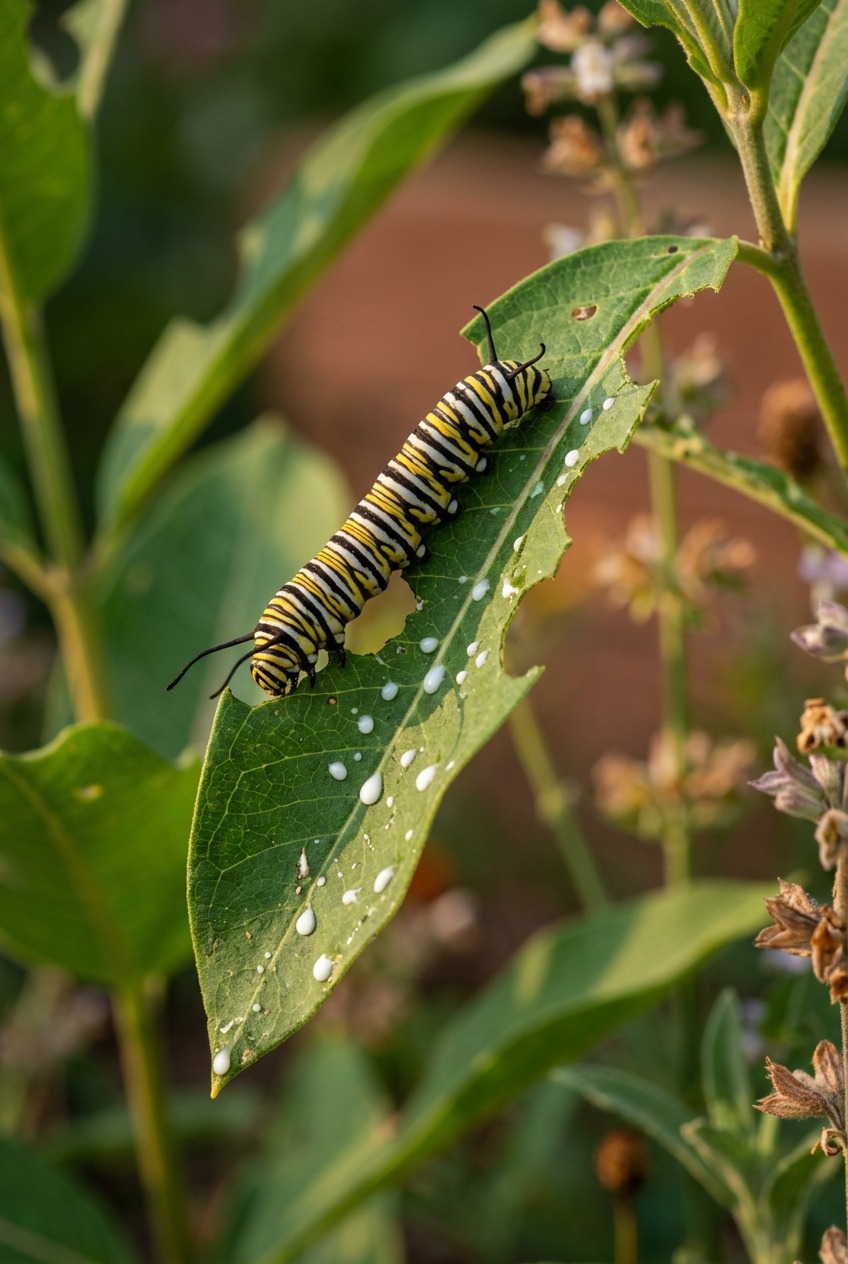
Monarch Garden Care: Avoid Guaranteed Outcomes
Check plants before treating insects; an intervention can also affect eggs or small caterpillars. Do not promise that ladybugs will arrive in a week and clear every aphid colony. Use local Extension guidance for a diagnosed problem instead of routine pesticide spraying.
Milkweed is not an edible herb. Extension profiles identify ingestion and sap-contact concerns; handle appropriately and keep it away from people or animals likely to eat it. Caterpillar host value does not mean a plant is safe for pets.
Growing milkweed can provide habitat, but no plant count guarantees monarch arrival or survival. Avoid a leaves-per-caterpillar formula and do not move wild caterpillars to fit a numerical plan. Flowering, plant size and insect activity can change between seasons.
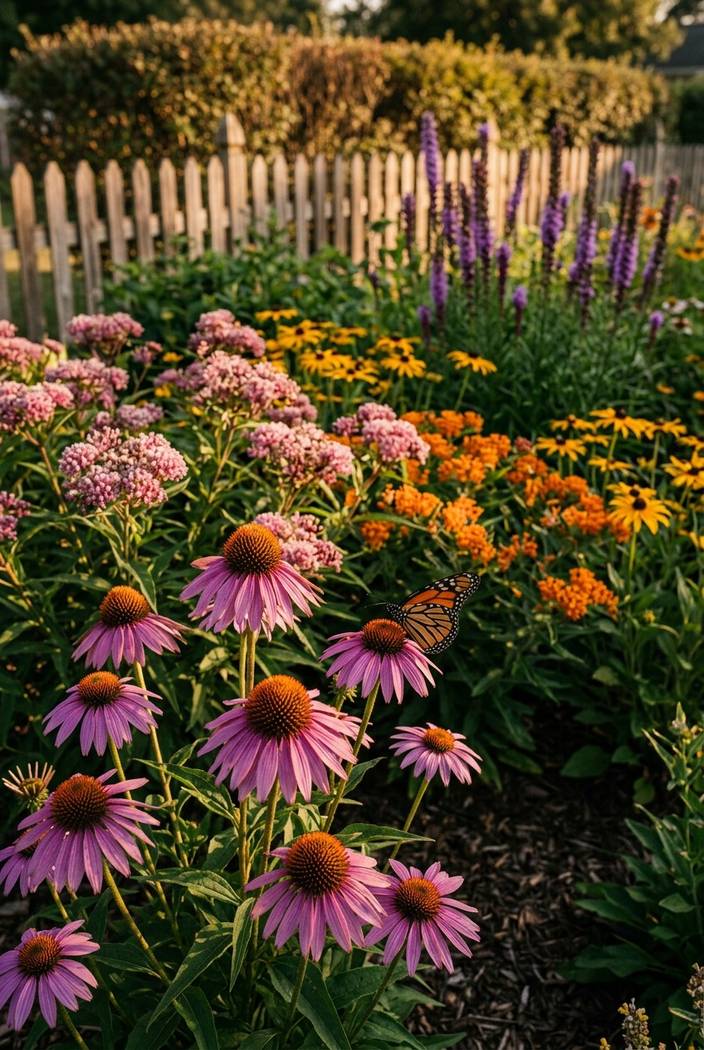
Should Every Garden Plant All Three Milkweeds?
No. Choose for native range, drainage and available space. A species suited to one region or moisture condition may be wrong for another. For mild-winter areas, use regional guidance; a November cutback is not universal permission to plant tropical milkweed.
Will Seed-Grown Milkweed Bloom This Year?
Do not assume so. Establishment and flowering depend on species and conditions. Follow the packet and profile, and plan nectar separately while the host plants develop.
What to Read Next
- Butterfly Garden Plants for Zone 7: zone-by-zone timing if you want to check this planting against your own last frost date.
- Native Plants for Wildlife Habitat: regional species lists for anyone who wants birds and bees using the same bed.
- Save Zinnia Seeds Next Year: how to keep the zinnia half of this planting going without buying seed again.