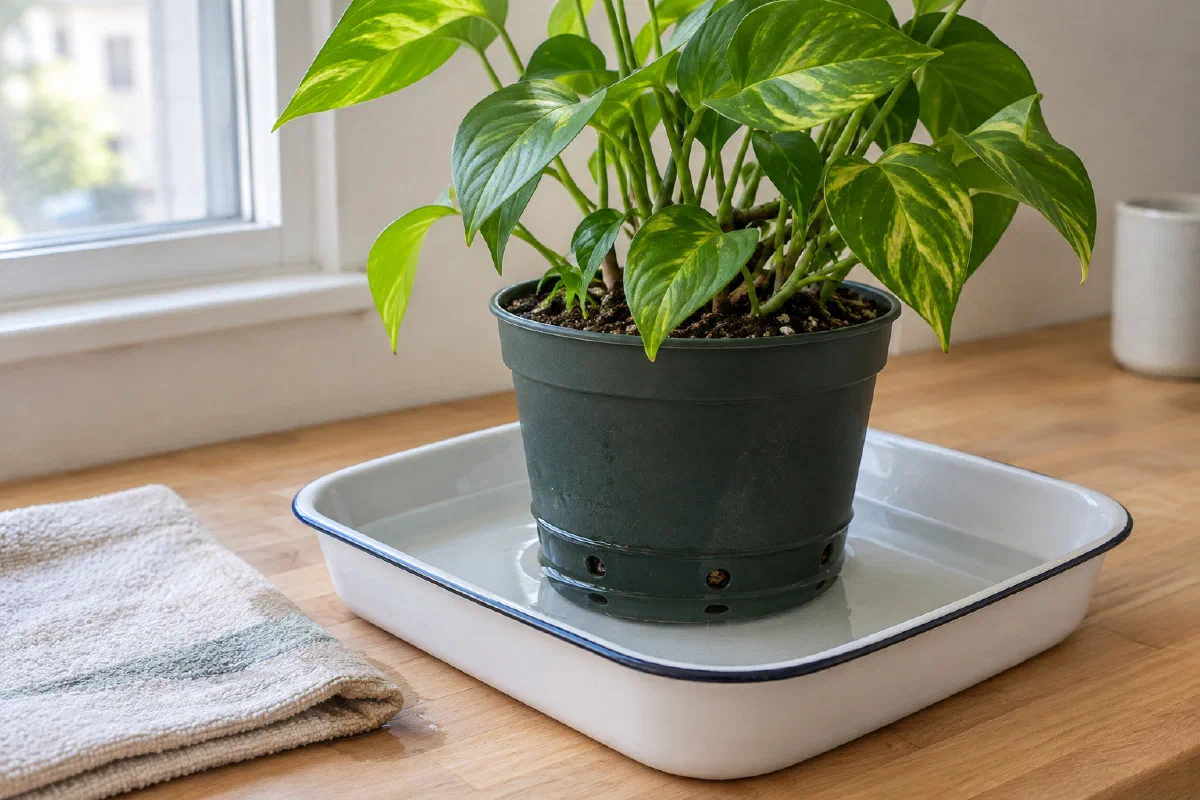
The short answer: bottom watering plants means standing the pot in a tray of water so dry potting mix pulls moisture up through the drainage hole. Give it 20 minutes to an hour, then empty the tray. Top watering flushes fertilizer salts, so use both. Repot only when roots circle the pot.
How Often Should You Water Indoor Plants?
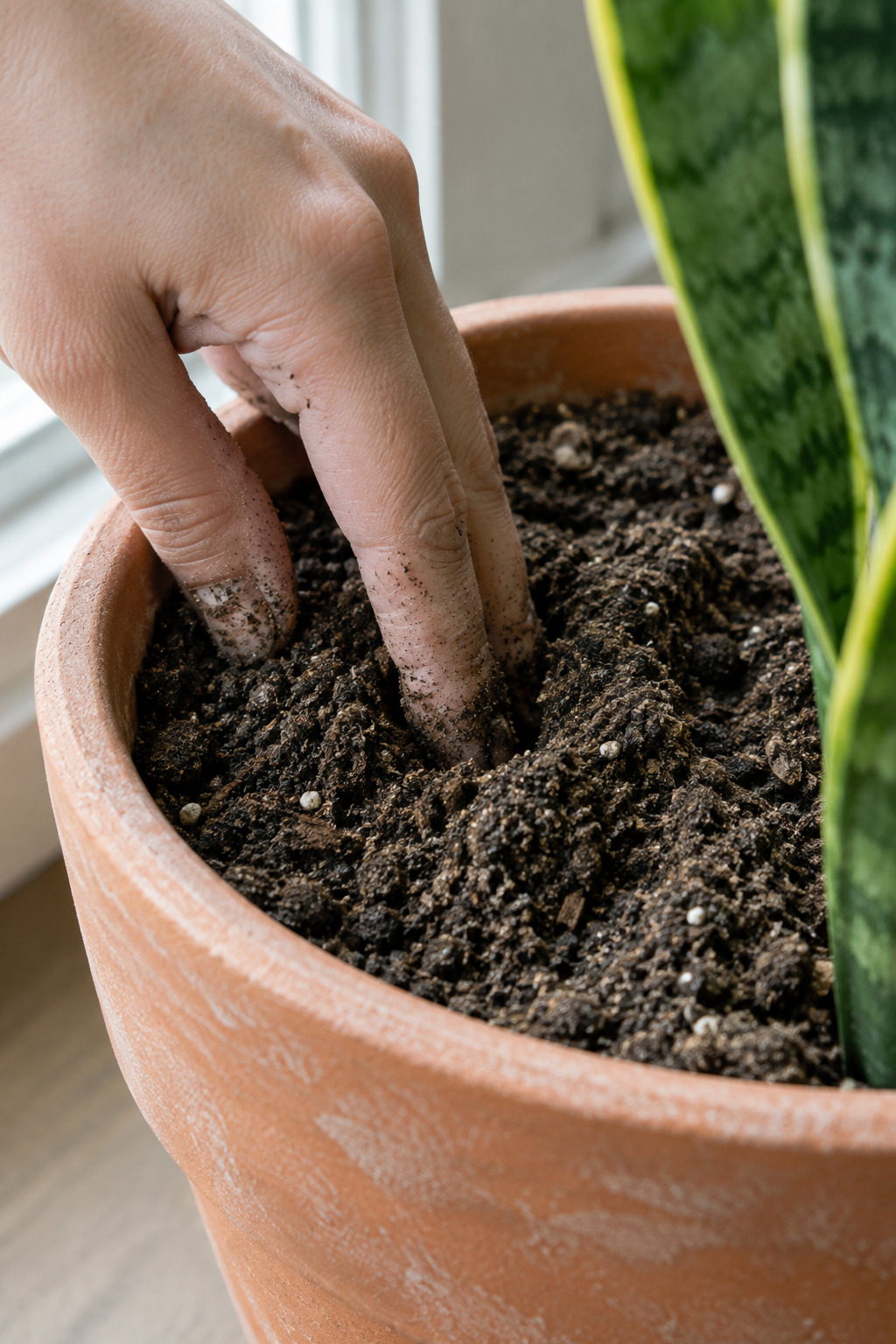
University of Maryland Extension says to water when the plant needs it rather than on a schedule: push a finger two inches into the potting mix, and water if it is dry.
| Pot size | Where to check | Dry there means |
|---|---|---|
| 4 to 6 inches | Most of the depth, since the pot is shallow | Water now |
| 8 to 10 inches | Two inches down, plus a lift of the pot | Water if the pot feels light |
| 12 inches and up | Two inches down is not enough information | Use a lift test or a moisture meter |
In a 12-inch pot the top two inches can be dry while the bottom half is wet, where overwatering starts. Lift the pot too: dry mix weighs less than wet.
How often should indoor plants be watered? When the mix is dry at root depth. Twice a week in June, every ten days in January. No houseplant needs water daily: roots need oxygen between drinks. And a wilting plant is not always thirsty, since overwatered roots rot.
How to Water Houseplants
- Water slowly over the whole surface.
- Keep going until water runs out of the drainage hole, so the whole root ball is wet.
- Let it drain fully.
- Empty the saucer or cachepot every time.
Water left in the saucer wicks back into the soil and rots the roots, K-State Research and Extension warns; Missouri Botanical Garden agrees.
Missouri Botanical Garden also explains why a little water often is worse than a lot occasionally: those pots end with the top sopping wet and the bottom bone dry, where the roots live. Small sips never flush fertilizer salts, which concentrate and cause brown leaf tips; University of Maryland Extension recommends leaching every four to six months.
Houseplant problems reads the leaves back one row at a time.
Bottom Watering Plants: How Long to Soak?
Watering plants from the bottom means standing the pot in a tray so the dry mix pulls water up the drainage hole. K-State Research and Extension says let it sit up to an hour, then remove the excess.
How long should plants sit in water when bottom watering? One hour is the ceiling in US extension guidance; a small pot in a light mix finishes sooner. Singapore’s national parks resource gives twenty minutes to an hour by pot and soil type.
Should you water houseplants from top or bottom? Both. Top watering flushes salt out, so it should still be most of your watering. Bottom watering wins when the mix has dried hard.
Can you overwater with bottom watering? Yes. Dry soil keeps pulling water until it is saturated, so a pot left in the tray ends up as wet as one you drowned from the top.
What are the disadvantages of bottom watering plants? It never flushes fertilizer salts or fixes hydrophobic soil: mix that dries out completely pulls away, and water runs down the gap and out the hole. Missouri Botanical Garden’s test: if water flows out immediately, tip the plant out; if the soil is dry, soak it in a bucket.
Which Plants Like to Be Bottom Watered?
Which plants like to be bottom watered? NParks says all potted plants can be, especially African violets, whose leaves hate being splashed. Small pots are the practical limit, since a saturated pot is much heavier.
Which plants should not be bottom watered? Succulents and cacti need the most care. University of Maryland Extension notes they need far less water, so a soak from below hands them more than they want.
Houseplant Drainage Holes, Saucers, and Cachepots
Penn State Extension calls the drainage hole necessary so excess water leaves the pot instead of causing disease in the mix.
- Cover the hole, do not block it. Penn State suggests screen, University of Maryland Extension a pot shard, Kentucky Cooperative Extension a coffee filter.
- Keep the pot off the floor. Clemson HGIC warns that moisture damages carpet, wood, and furniture.
- Use a cachepot as a cover. Penn State notes cachepots usually have no drainage hole. Slip the plant inside and empty whatever collects below.
What is the best drainage for indoor plants? An open hole, a saucer, and a mix that drains freely. Clemson HGIC explains that a clay pot is porous, so the soil dries and oxygen reaches the roots; glazed ceramic and plastic hold water longer, so terracotta suits succulents and plastic suits moisture-lovers.
What Should You Put in the Bottom of a Pot?
What can I put in the bottom of my indoor planter for drainage? Nothing. No gravel, no rocks, no styrofoam, no broken pottery.
Penn State Extension’s myth page is direct: coarse material in the bottom of a container does not improve drainage and can worsen it. Kentucky Cooperative Extension calls it a perched water table: water moving down hits the coarse layer, spreads sideways, and saturates the soil above it. It names sand, water bottles, styrofoam, and broken pots. University of Maryland Extension puts it in one line: don’t fill the bottom of your pot with gravel.
- A false bottom handles a big pot that would swallow a bag of mix: Kentucky Cooperative Extension suggests plywood cut to fit, with drainage holes.
- Rocks in the saucer, not the pot. Missouri Botanical Garden notes a one- to two-inch layer of rocks in the saucer of a large pot gives drained water somewhere to sit.
Clemson HGIC does recommend coarse gravel in a drainless decorative container, but there it is a spacer holding the inner pot out of standing water.
What Are the Winter Watering Mistakes?
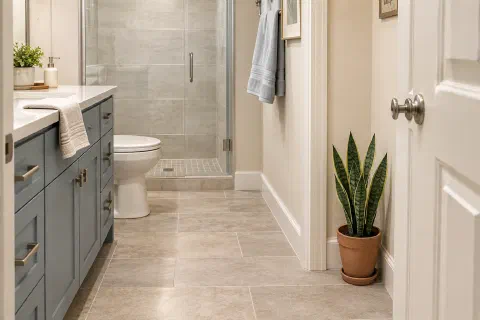
Clemson HGIC says a well-lighted home is often under 100 foot-candles, and low-light plants want 75 to 200. A plant in dim light uses less water, so a routine that worked on a bright sill will rot it in a hallway (rooms with no window).
Illinois Extension says to water less often in winter and keep the mix on the dry side, never letting a plant wilt; south or west windows dry out before east or north ones. Clemson HGIC says winter-resting plants should not be fertilized.
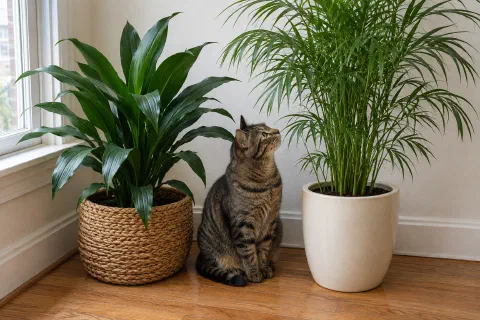
On pets, the ASPCA lists cast iron plant, Boston fern, and African violet as non-toxic to cats and dogs, and snake plant and peace lily as toxic; the ZZ plant is not in that database, so treat it as unverified (the lookup).
When Should You Repot Houseplants?
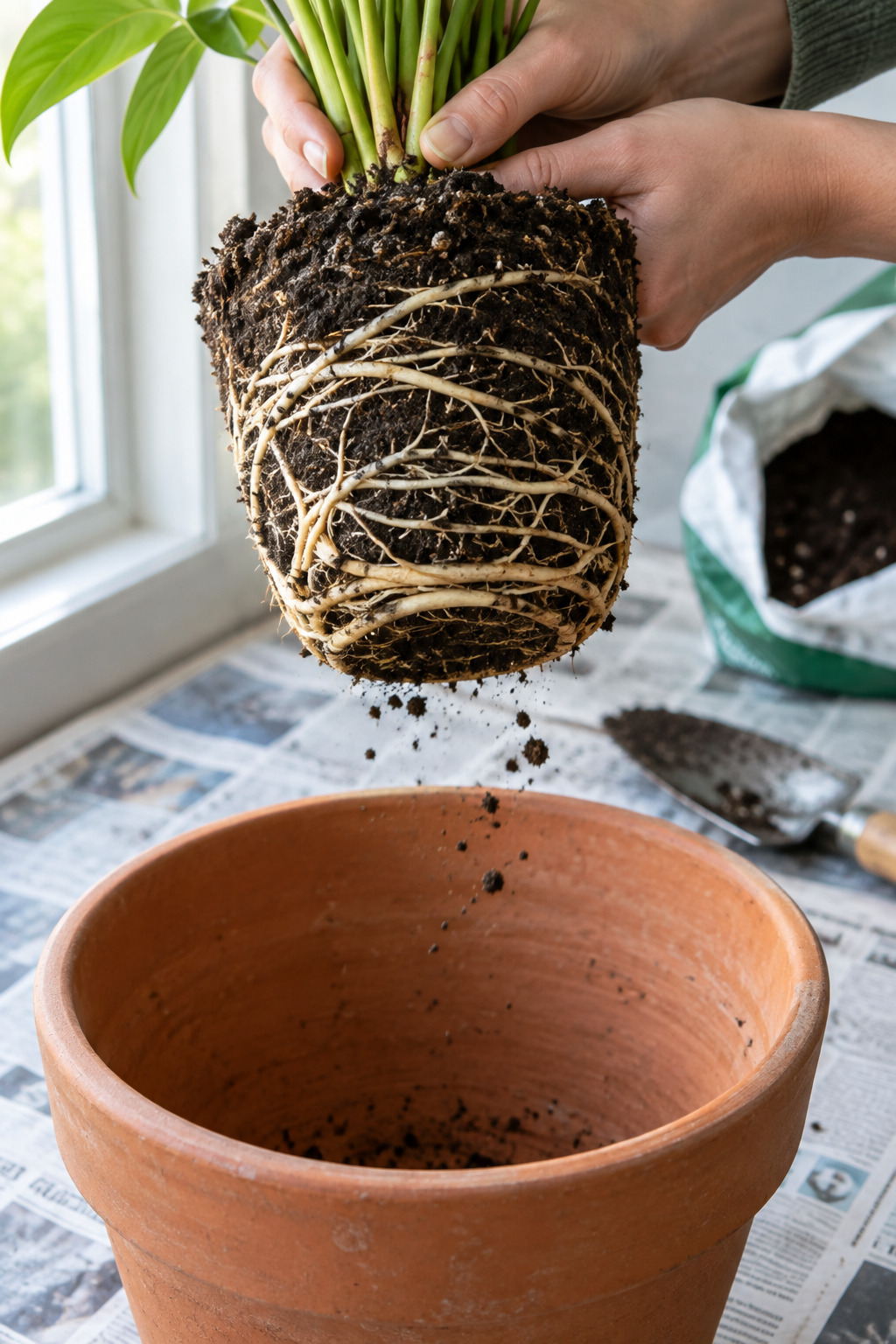
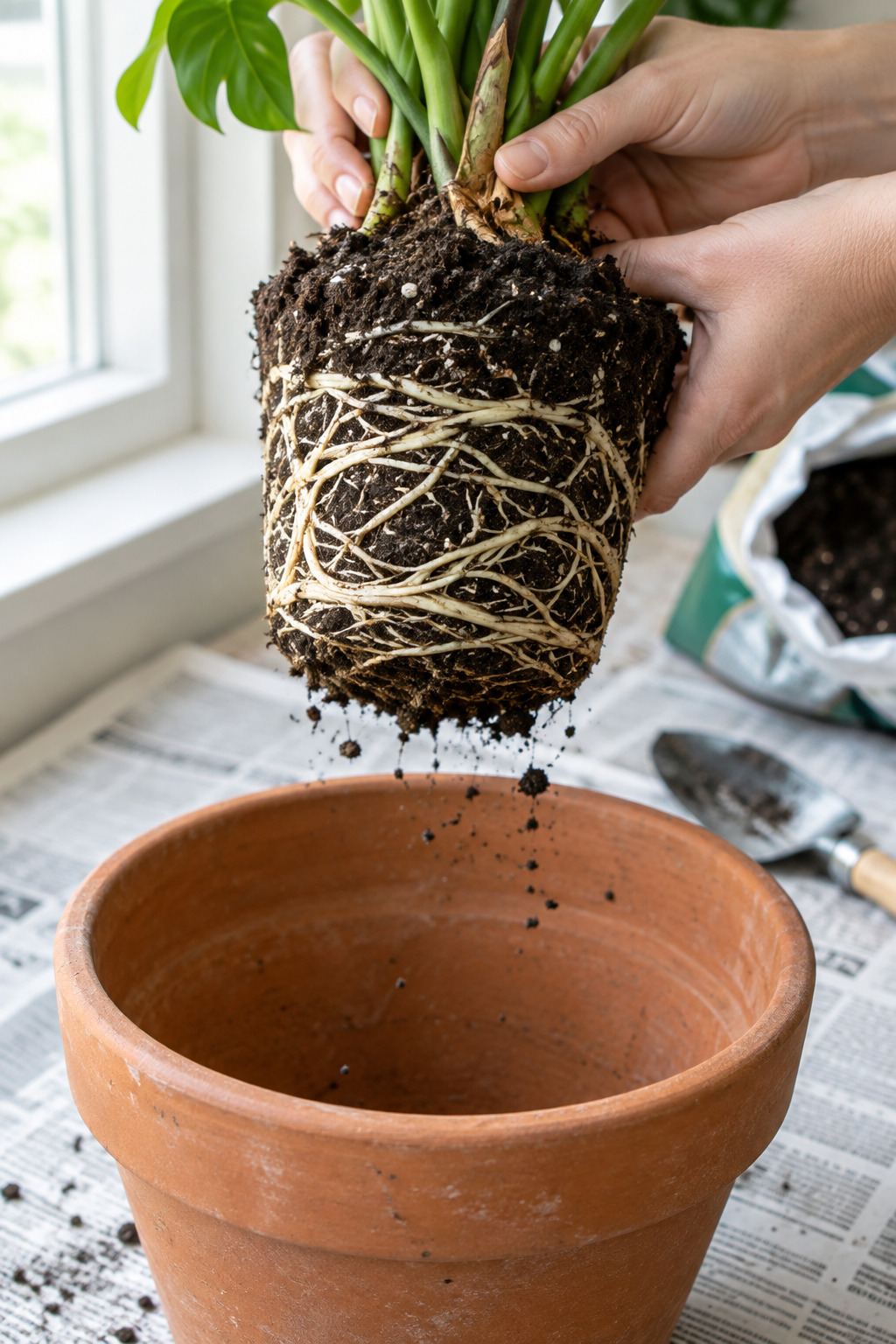
Repotting houseplants answers a plant that has run out of room. Penn State Extension’s signals: the mix dries very quickly, roots grow through the drainage holes, and growth slows despite feeding. University of Minnesota Extension adds that water runs straight through a pot with more root than soil, and Colorado State University Extension says to look for white roots circling the container.
What time of year should you repot houseplants? Spring, as growth starts, though University of Minnesota says any time works when a plant needs it.
What not to do when repotting plants? Do not jump pot sizes: Colorado State says one to two inches wider, and Missouri Botanical Garden one size, usually two inches wider, leaving an inch of fresh soil around the root ball. Do not use garden soil, which carries weed seeds and pathogens; Penn State and University of Maryland Extension point to soilless mixes. Do not bury the crown: both set the root ball an inch below the rim. And do not start with a bone-dry or soggy plant: water it an hour ahead.
- Support the stems, tip the pot, and slide it out. Never pull by the stem.
- Trim anything black and mushy, and tease loose circling roots.
- Set the root ball on fresh mix, fill the sides, and leave headroom for water.
Should you water houseplants right after repotting? Yes. Penn State, Colorado State, and University of Maryland Extension all finish with a thorough watering.
Do you remove old soil when repotting? Shake off what falls away and remove mix crusted with salt, but don’t strip the roots bare: that mix holds fine roots you cannot see. Missouri Botanical Garden suggests replacing it every one to three years.
How long does transplant shock last? None of the repotting guides checked here commits to a number of days, and they describe recovery as new growth instead. Keep the plant out of direct sun and drafts, and hold the fertilizer.
Sources
- UMD: Watering
- UMD: Potting
- Penn State: Repotting Houseplants
- Penn State: Debunking Garden Myths
- Clemson HGIC: Indoor Plants
- Kentucky CES: Rocks in Pots?
- Colorado State: Repotting
- K-State: Tips for Houseplants
- Missouri Botanical Garden
- UMN Extension: Winter Tips
- Illinois Extension: Winter Watering
- NParks: Bottom Watering
- ASPCA: Toxic Plants
What to Read Next
- What size planter does a tall indoor plant need gives the measurement.
- What to do when container soil keeps drying out too fast helps when the mix is the problem.
- Low light indoor plants reads a dim corner.
- First frost checklist for pots and window boxes covers the outdoor half.